
A Morocco private desert trip is one of the most memorable ways to experience the country because it blends mountain passes, ancient kasbahs, oasis valleys, and Sahara dunes into one coherent journey. Moreover, going private means you can shape the pace around your priorities—photography, comfort, family breaks, fewer crowds, or a romantic experience—rather than following a fixed group schedule that often feels rushed.
At the same time, planning the right Sahara Desert Morocco tour requires realistic expectations about distances, seasons, and camp quality, because not every “desert tour” delivers the same dunes or the same level of comfort. Therefore, this guide focuses on what matters most: the best routes, the most practical itineraries, how to choose between camel and 4×4, where to stay in Merzouga, and how to book confidently without sacrificing authenticity.
What “Private Desert Tour” Means in Morocco (and Why It Matters) Morocco private desert trip
A private tour usually includes your own vehicle, a dedicated driver-guide, flexible stops, and pre-arranged accommodations along the way, finishing with a dune experience and an Overnight desert camp Morocco stay. In addition, many private packages include dinners and breakfasts, the desert transfer by camel or 4×4, and on-request add-ons such as local guides in kasbah towns or short walks in the valleys.
However, “private” can still vary in quality, so what truly matters is the detail behind the label: which hotels are used, how deep into the dunes your camp is located, and how the driving days are structured. Consequently, a well-designed private itinerary feels smooth and personal, while a poorly designed one can feel like a long transfer with too many forced stops and not enough time where it counts.
Best Time for a Sahara Desert Morocco Tour Morocco private desert trip
Spring (roughly March to May) and autumn (roughly September to November) are generally the best seasons for Best Morocco desert tours, because days are warm, nights are comfortable, and the light is often excellent for sunrise and sunset in the dunes. Furthermore, these shoulder seasons typically bring clearer skies and less harsh midday heat, which makes long scenic drives and short hikes much more enjoyable.
On the other hand, summer can still work if you plan intelligently, since early departures, shaded lunch breaks, and a well-ventilated camp can keep the experience comfortable. Meanwhile, winter offers fewer crowds and beautiful crisp skies, yet desert nights can be cold—especially before sunrise—so packing layers and choosing a camp with warm bedding becomes essential rather than optional.
Choosing Your Desert: Merzouga (Erg Chebbi) vs. Zagora vs. Erg Chigaga
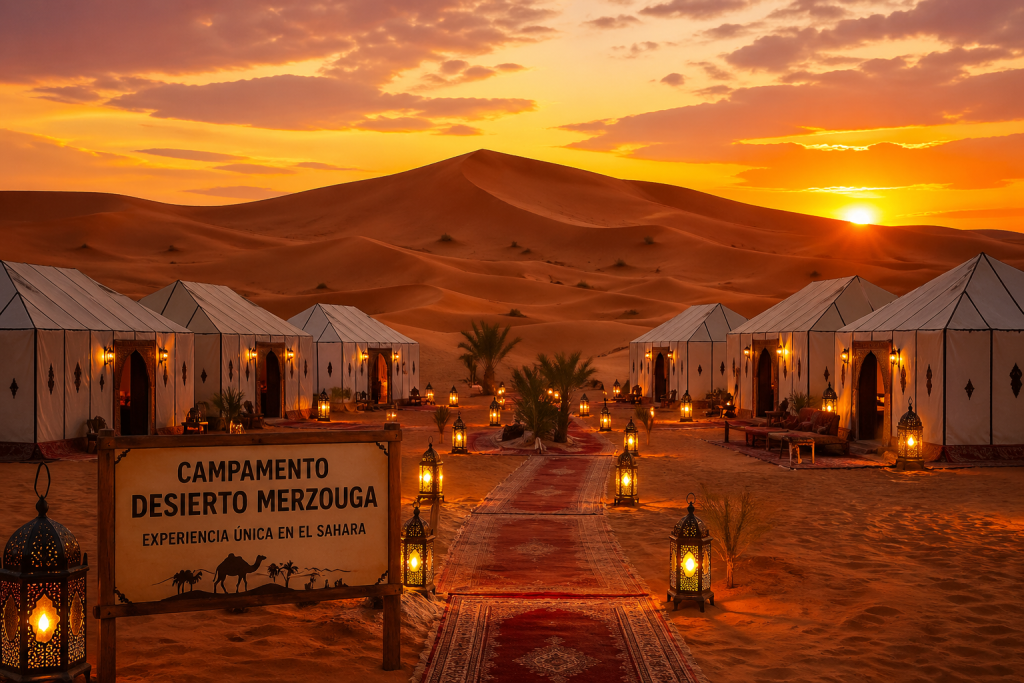
If your dream is tall dunes and classic Sahara horizons, Merzouga and Erg Chebbi are usually the best match, because the dunes are dramatic and accessible while still feeling genuinely desert-like. In addition, Merzouga has the widest range of camp styles, which makes it easier to choose the exact comfort level you want—from simple traditional tents to a high-end Erg Chebbi luxury camp setup.
By contrast, Zagora is closer to Marrakech and can be done faster, yet the dunes are smaller and the experience is more “desert-edge” than deep Sahara. Meanwhile, Erg Chigaga is more remote and often feels wilder and less developed, but it typically demands more time and sometimes more challenging off-road segments, so it’s best for longer trips or travelers specifically seeking a quieter, expedition-style route.
The Classic Marrakech Desert Tour 3 Days (Realistic Private Itinerary)
A Marrakech desert tour 3 days to Merzouga is popular because it delivers big dunes and a camp night in a short window, although it is undeniably fast-paced. Typically, day one crosses the High Atlas via Tizi n’Tichka, continues to Aït Ben Haddou, and ends in the Dades Valley or nearby, which means you’ll see a lot—yet you must accept a long day with frequent photo stops.
Then, day two continues through Todra Gorge and desert-edge towns before you reach Merzouga for sunset and a Merzouga camel trek (or a 4×4 transfer) into the dunes for dinner and music at camp. Finally, day three starts early for sunrise and returns to Marrakech, so it’s ideal if your priority is “see the Sahara quickly,” whereas travelers who want a slower pace will usually enjoy a 4-day or 5-day plan more.
A 4-Day Morocco Private Desert Trip (The Balanced Option)
A 4-day itinerary is often the best compromise because it reduces the sense of rushing while still fitting into a typical Morocco vacation. For example, you can spend more time at Aït Ben Haddou and viewpoints in the Atlas, arrive in the valleys with daylight for a short walk, and avoid the late-night hotel check-in feeling that sometimes comes with a 3-day sprint Morocco private desert trip
In addition, a fourth day creates space to enjoy Merzouga more meaningfully—whether that means extra time in the dunes, a calmer morning, or a local visit near the desert edge—before you begin the return. Consequently, a 4-day plan tends to feel more like a journey and less like a single objective, especially for couples and families who value comfort and flexibility.
The Fes to Merzouga Desert Tour (A Different Morocco, Same Sahara)
A Fes to Merzouga desert tour offers a very different build-up to the Sahara because the landscapes shift from cedar forests and Middle Atlas towns into desert plains and palm oases. Moreover, this route often includes Ifrane and Azrou (depending on your preferences), then continues toward Ziz Valley viewpoints, which are especially striking when the light is soft in late afternoon.
Because the rhythm is different, the Fes route often feels more gradual and varied than the Marrakech crossing, even if the total driving time is comparable. Therefore, if your Morocco trip already includes Marrakech city experiences, starting your private desert route from Fes can balance your itinerary beautifully, and it can also reduce backtracking if you are traveling north-to-south or south-to-north across the country.
Private Transport Choices: Minivan vs. Morocco 4×4 Adventure
Many travelers imagine a Morocco 4×4 adventure as the default, but the best choice depends on comfort, road conditions, and your specific route. In general, a high-quality minivan or SUV can be extremely comfortable for long road days on paved highways, and it often provides a smoother ride for families, older travelers, and anyone who values quiet, stable driving.
That said, a true 4×4 can be valuable if you plan to explore off-pavement tracks, remote viewpoints, or more adventurous desert approaches, particularly on routes that include deeper dune access or remote areas. Consequently, you should choose transport based on itinerary design rather than marketing language, and you should confirm seat spacing, air conditioning performance, and luggage capacity before you book.
Merzouga Camel Trek vs. 4×4 Transfer (How to Decide)
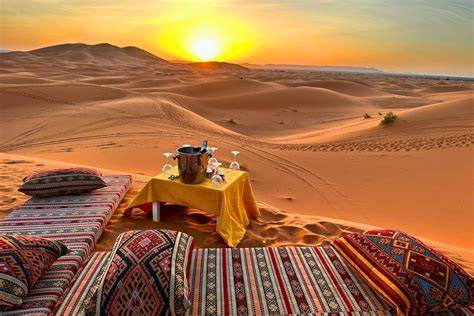
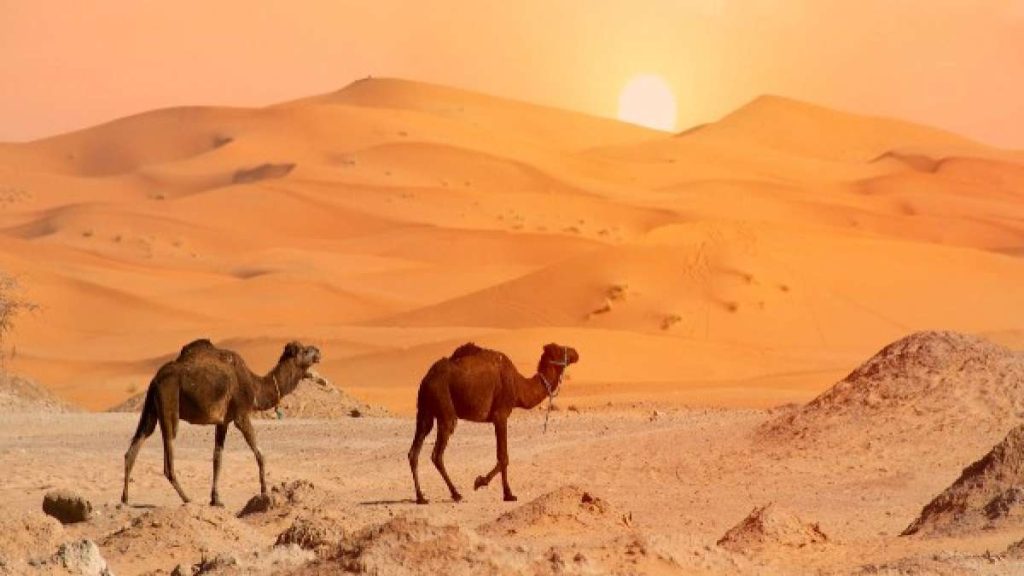
A Merzouga camel trek at sunset is the iconic desert approach, and it can feel cinematic because the pace is slow, the soundscape is minimal, and the dunes change color minute by minute. Furthermore, it’s often the best choice if you want the traditional feeling of arriving at camp as daylight fades, especially if you’re comfortable sitting for the ride and you enjoy gentle adventure.
However, a 4×4 transfer is often the smarter option for travelers with back, hip, or knee concerns, or for anyone who simply wants speed and stability. In fact, many private tours can combine both—camel in, 4×4 out—so you get the romance of sunset without worrying about time, fatigue, or a rushed sunrise schedule the next morning.
Overnight Desert Camp Morocco: What the Experience Is Really Like
An Overnight desert camp Morocco stay usually centers on simple, powerful pleasures: a warm welcome with tea, a sunset walk on the dunes, dinner under the sky, and music around the fire before you sleep. Additionally, most camps include breakfast and can accommodate dietary preferences if you communicate ahead of time, which makes the experience more comfortable for families and travelers with specific needs.
Nevertheless, camps vary dramatically, so it’s important to confirm whether bathrooms are private or shared, how far the camp sits into the dunes, and whether the camp atmosphere is quiet or more social. As a result, the “best camp” is the one that matches your travel style—some people want a lively evening with drumming, while others want an early night, stargazing, and maximum silence.
Luxury Camp Merzouga: How to Choose the Right Level of Comfort
A Luxury camp Merzouga experience can feel like a boutique hotel in the dunes when it’s done well, with real beds, private bathrooms, quality linens, and thoughtful lighting that still respects the night sky. Moreover, better luxury camps typically offer stronger cleanliness standards, more refined meals, and staff who manage logistics smoothly, which can make a big difference after long driving days.
However, “luxury” is not regulated, so you should ask for recent photos, confirm whether hot water and heating are available in cooler months, and verify the camp’s dune location. Consequently, choosing a well-reviewed Erg Chebbi luxury camp often comes down to transparency: the more specific a provider is about tent type, bathroom setup, and exact location, the more likely you are to get the comfort you’re paying for.
What You’ll See on the Way to Merzouga (Kasbahs, Valleys, Gorges)
The drive to Merzouga is not just a transfer; it’s a changing story of Morocco’s geography, from mountain passes to earthen villages that blend into cliff faces. For example, Aït Ben Haddou offers classic fortified architecture, Ouarzazate connects you to Morocco’s film history, and the Skoura or Dades regions can add palm groves and kasbah silhouettes that look especially beautiful in late-afternoon light.
After that, Todra Gorge often delivers the most dramatic “walkable landscape” moment on the route, because you can stretch your legs beside towering rock walls before continuing into desert plains. Therefore, a good private itinerary builds in time for short walks and scenic pauses, because these transitions are what make the Sahara arrival feel earned rather than abrupt.
Costs: What a Morocco Private Desert Trip Typically Includes (and What Changes the Price)
Pricing depends on season, number of days, vehicle quality, hotel category, and—most importantly—camp standard, because luxury camps and premium rooms can raise costs quickly. In addition, one-way routes (for instance, Marrakech to Merzouga ending in Fes, or the reverse) may cost more due to logistics, while round trips can sometimes be priced more efficiently depending on the provider.
Still, the smartest way to judge value is to compare inclusions and clarity rather than comparing a single number. Consequently, you should confirm whether dinners are included in hotels, whether the desert transfer is included, whether the itinerary includes guided experiences (like a kasbah guide), and whether you’ll be pressured into commission-based stops, because those details are what separate a smooth private experience from a frustrating one.
Packing for the Sahara: What You Actually Need (and What You Can Skip)
Packing for the Sahara is mostly about layers and protection, because even warm seasons can produce cool nights and windy mornings. Therefore, bring breathable clothes, a light jacket or fleece for evenings, a scarf for dust, sunglasses, sunscreen, lip balm, and shoes that handle sand without filling instantly, since comfort matters most when you’re walking dunes at sunrise.
In addition, small practical items can greatly improve your camp night: a headlamp, a power bank, wet wipes, and a small day bag for your transfer into the dunes. Meanwhile, you can usually skip heavy gear like oversized towels or excessive toiletries, because many accommodations provide essentials; instead, prioritize a compact kit that keeps you comfortable during long drives and short desert walks.
Food, Water, and Comfort on a Private Sahara Desert Morocco Tour
Meals on desert routes usually include Moroccan classics like tagines, salads, couscous, and seasonal fruit, and the best providers know which stops are clean, scenic, and consistent. Furthermore, private tours can often adjust spice level and ingredients, so it’s worth communicating preferences early, especially if you have allergies or you’re traveling with children who need simpler meals.
Hydration is equally important, because dry air and long drives can dehydrate you faster than expected even when the temperature feels mild. Consequently, you should keep water accessible in the vehicle, pace caffeine, and plan restroom breaks naturally, because a good private driver-guide can balance comfort with timing in a way that group tours often cannot.
Safety and Etiquette: How to Travel Smoothly in the Desert Regions
Morocco is generally safe and welcoming, and private travel adds reassurance because you have consistent support across long distances. However, basic habits still matter: secure valuables, avoid flashing cash, drink clean water, and communicate health needs before you’re deep into the route, because solutions are easier when planned early rather than handled last-minute.
Cultural etiquette also improves the experience, particularly in smaller towns and rural villages where daily life is more traditional than in major cities. Therefore, dress modestly when appropriate, ask before photographing people, and accept hospitality with gratitude, because those small gestures often lead to warmer interactions and more authentic moments during your Sahara Desert Morocco tour.
Booking Checklist: How to Choose Among the Best Morocco Desert Tours
When comparing the Best Morocco desert tours, start by requesting exact accommodation names or clear category descriptions with recent photos, because vague promises often lead to mismatched expectations. In addition, confirm your camp location (deep dunes vs. edge), clarify private bathroom availability, and ask how the itinerary handles long drives, since “too many stops” can paradoxically make your days longer and less enjoyable.
Next, verify what is included in the price—dinners, entrance fees, camel or 4×4 transfer, and any local guiding—so you can compare offers fairly. Consequently, the best operator is usually the one who answers clearly, sets realistic timings, and proposes small adjustments based on your priorities, because thoughtful planning is the real luxury on a long desert route.

How to Customize Your Private Itinerary (Without Overloading It)
Customization is the main advantage of a private trip, yet the goal should be better pacing, not simply more stops. For example, if Aït Ben Haddou is important to you, it can be wiser to reduce other quick detours so you have time for a real walk and a relaxed meal, rather than arriving late and only snapping photos from the road.
Likewise, if your priority is dunes and silence, you can choose a camp area known for quieter nights, schedule your dune walk at the right time, and minimize busy roadside shopping stops. Therefore, customization works best when you define your top three priorities—comfort, photography, culture, adventure, romance, or family ease—and then shape the route around those, instead of trying to do everything at once.
Add-On Experiences in Merzouga (Beyond the Camp Night)
Merzouga can offer more than a single sunset and sunrise if you decide to add experiences around the dunes. For instance, many travelers enjoy a short off-road loop, a visit to desert-edge villages, traditional music experiences, or a relaxed tea stop with panoramic views, which can add cultural depth without turning the day into a marathon.
In addition, you can add activities like sandboarding, stargazing sessions, or a sunrise photography plan that prioritizes the best dune ridges for clean horizons. Consequently, even a short private trip can feel more immersive if you plan one meaningful add-on rather than stacking multiple rushed activities.
Common Mistakes to Avoid on a Morocco Private Desert Trip
One of the most common mistakes is choosing the shortest itinerary while expecting a relaxed pace, because the Sahara is far and Morocco’s scenic roads invite stops. Therefore, if comfort matters to you, consider adding a day, selecting fewer “must-see” points, and choosing accommodations that reduce detours, since those choices often make the trip feel easier than any luxury upgrade.
Another frequent issue is assuming all camps are the same, when in reality the difference between a basic tent and a well-managed luxury setup is substantial. Consequently, it’s worth confirming camp details in writing—bathroom type, bedding, dune location, and transfer method—so your Morocco private desert trip matches your expectations when you arrive.
Quick Itinerary Matching: Which Plan Fits Your Travel Style?
If your goal is to see the dunes with limited vacation time, the Marrakech desert tour 3 days can work well, especially if you’re comfortable with early mornings and longer drives. Moreover, it is often the simplest option for first-time visitors who want the “Sahara highlight” without redesigning the rest of their Morocco schedule.
If you want better pacing, deeper scenery, or a more comfortable rhythm, a 4-day route or a one-way plan like a Fes to Merzouga desert tour often feels more complete. Therefore, you’ll get the best experience by choosing the itinerary that matches your energy level rather than choosing the itinerary that looks shortest on paper.
FAQ (In-Text): Practical Questions Travelers Ask Most
People often ask whether a private desert tour is “worth it” compared to a shared group trip, and the answer usually depends on how much you value flexibility, comfort, and timing. In general, private travel is worth it if you want control over stops, quieter pacing, tailored meal and restroom breaks, and the ability to choose the exact camp style—especially if a Luxury camp Merzouga night is part of your plan.
Another common question is whether the camel ride is mandatory, and it is not, because many camps can arrange a 4×4 transfer instead, which is helpful for comfort or scheduling. Consequently, the best approach is to decide what matters most—classic camel approach, dune depth, private bathroom, quieter camp zone, or a specific route—then build the trip around those priorities so the final experience feels effortless.
conclusion How to Get the Best Morocco Desert Tour Experience
The best desert trip is rarely the one with the longest checklist; instead, it’s the one that matches your pace and sets you up for the desert’s best moments—sunset, silence, starlight, and sunrise. Moreover, when your itinerary is realistic, your stops feel meaningful rather than rushed, and your camp choice fits your comfort level, the Sahara becomes the highlight you imagined rather than a long drive you merely endured.
Whether you choose a fast Marrakech route, a balanced 4-day plan, or a north-to-south Fes to Merzouga desert tour, the most important ingredient is thoughtful planning. Therefore, prioritize transparency, choose a route that fits your schedule, and select the camp experience you actually want—standard, boutique, or Erg Chebbi luxury camp—so your Morocco desert story feels personal, smooth, and unforgettable.